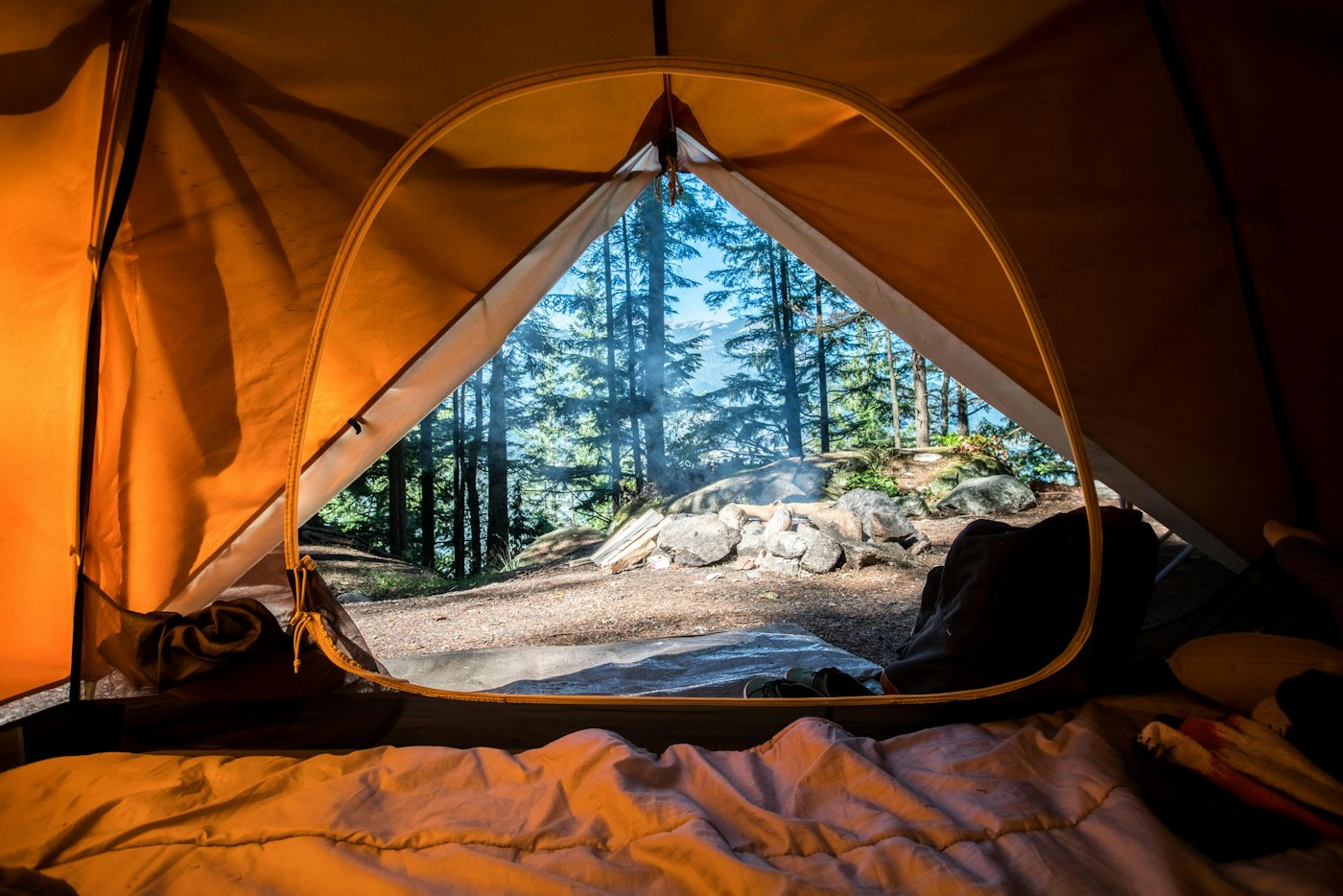
In 2019, three mountain guides sat around a campfire in the Drakensberg, frustrated. We'd all worked for large tour operators, watching the same patterns repeat: rushed itineraries, oversized groups, guests checking boxes rather than experiencing landscape.
The conversation that night centered on a simple question: what would mountain guiding look like if we designed it from scratch, prioritizing depth over breadth?
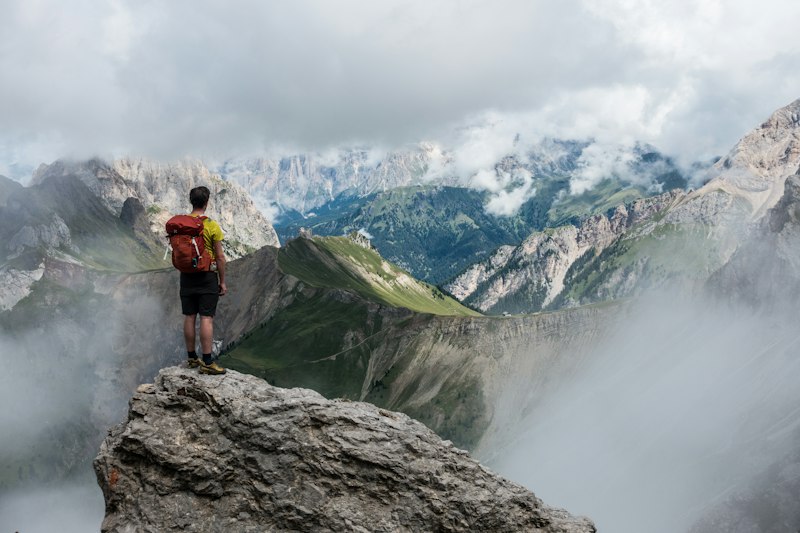
Foundation Principles
We established three non-negotiables:
- Maximum group size of six participants. Small enough that everyone hears the guide's explanations. Small enough to move quietly through ecosystems without disruption.
- Extended timeframes. If a standard operator allocates four hours for a route, we take seven. The mountain reveals itself to those who wait.
- Guides as educators, not shepherds. Every team member holds both technical certification and substantial knowledge in at least one relevant field—geology, botany, ornithology, or indigenous history.
Our Guides
David Nkosi
Lead Guide, Drakensberg Specialist
UIAGM certified. Geology degree from UCT. Grew up in the shadow of Cathedral Peak. Knows the high escarpment in all seasons and can identify over 200 endemic plant species by sight.
Sarah van Rensburg
Technical Climbing Instructor
15 years rock climbing experience across three continents. Wilderness First Responder certified. Specializes in teaching traditional climbing technique on South African sandstone.
Mpho Lebuso
Coastal and Forest Guide
Marine biology background. Expert in Garden Route ecosystems where mountain meets ocean. Published researcher on indigenous plant use in traditional medicine.
Operating Standards
Every expedition follows specific protocols developed through years of field experience:
Environmental Impact
Leave No Trace principles applied strictly. We pack out everything we bring in. Established campsites only. No soap in water sources. Waste management systems on all multi-day treks.
Safety Framework
Detailed risk assessments completed for each expedition based on current conditions. Weather monitoring systems. Satellite emergency communication devices. Comprehensive first aid kits carried by all guides. Evacuation protocols established before departure.
Cultural Respect
Many of our routes cross land with deep cultural significance. We work with local communities, employ local guides where appropriate, and ensure our presence contributes positively to regional economies.
Equipment Quality
All provided gear meets or exceeds international safety standards. Regular inspection schedules. Replacement protocols based on manufacturer recommendations and actual wear patterns.
Why This Matters
Mountains are not theme parks. They are complex ecosystems shaped by geological forces over millions of years, home to species found nowhere else on Earth, and embedded with cultural histories that deserve respect.
When someone returns from a mountain experience with genuine understanding—when they can explain why fynbos only grows in this specific region, or recognize the geological event that created that cliff face, or understand the seasonal patterns that govern water availability—the mountain becomes more than scenery.
This depth of engagement may support increased appreciation for conservation efforts and enhanced respect for natural systems. It can potentially contribute to more mindful interaction with wilderness areas.
Partnerships
We work closely with several organizations that share our commitment to mountain ecosystems:
- Table Mountain National Park — ongoing collaboration on trail maintenance and visitor education
- Ezemvelo KZN Wildlife — support for conservation initiatives in the Drakensberg
- Mountain Club of South Africa — joint safety training programs
- Local porter cooperatives — fair wage employment opportunities